

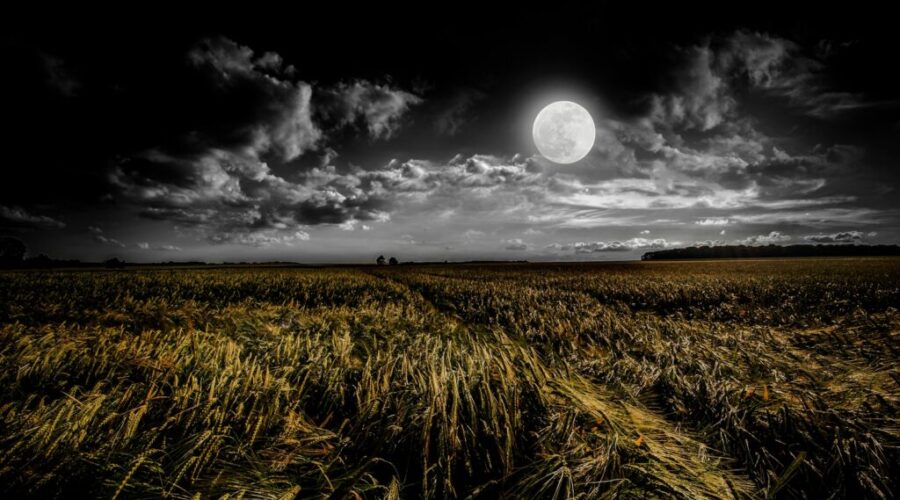
The Super Beaver Moon peaks on November 5 at 7:19 a.m. CT, but the best time to view it is the evenings of November 4 and 5, when it rises in the eastern sky and appears largest. It’s the closest and brightest full moon of 2025.
Grab a warm coat and head to a clear, open space away from city lights, lakesides and backroads are ideal. The moon will rise just after sunset and glow low on the horizon, giving it that dramatic, oversized look.
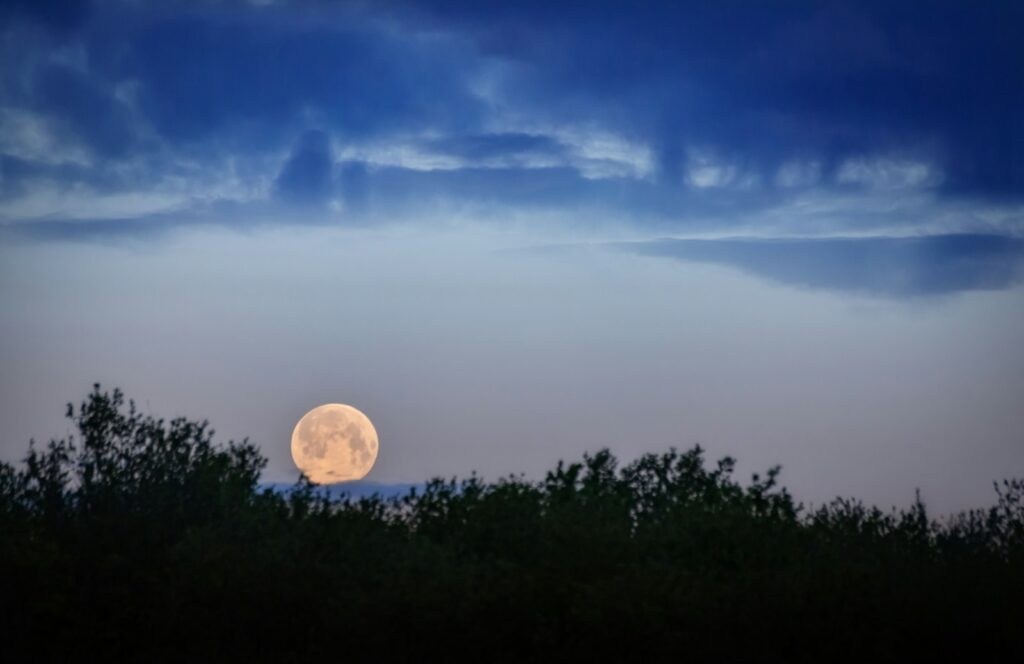
What is the Beaver Moon?
The name “Beaver Moon” comes from traditional Native American and colonial calendars. November was the time when beavers were most active, building dams and preparing for winter. Trappers also used this moonlight to set their final traps before the freeze. It’s sometimes called the Frost Moon or Digging Moon, depending on the region and tradition.

What Makes It “Super”?
A supermoon occurs when the full moon happens the same time it has its closest approach to Earth, known as perigee. Because the moon’s orbit is elliptical, the distance makes it appear larger and brighter than usual. This Beaver Moon is the second of three supermoons this season, after October’s Harvest Moon and upcoming December’s Cold Moon.
Best Viewing Tips
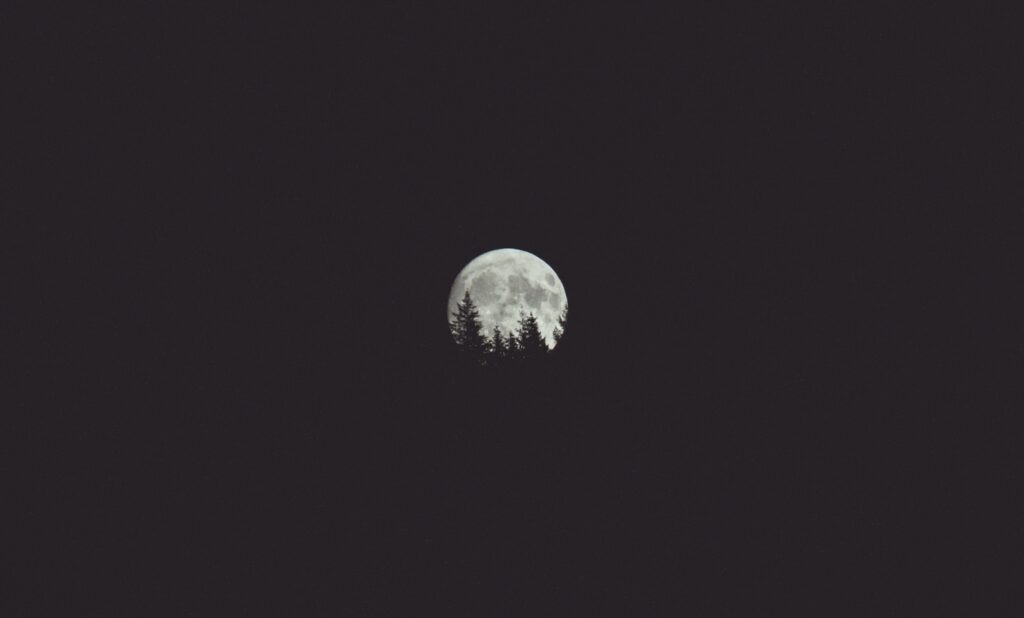
- Time it right: The moon reaches peak illumination at 7:19 a.m. CT on November 5, but it will look most impressive during the evenings of November 4 and 5.
- Look east: The moon rises in the eastern sky just after sunset. Catch it low on the horizon for the most dramatic view.
- Avoid light pollution: Head to a dark, open area, rural spots or lakesides work best.
- Bring binoculars or a camera: You’ll want to capture this one, but don’t forget to be in the moment!
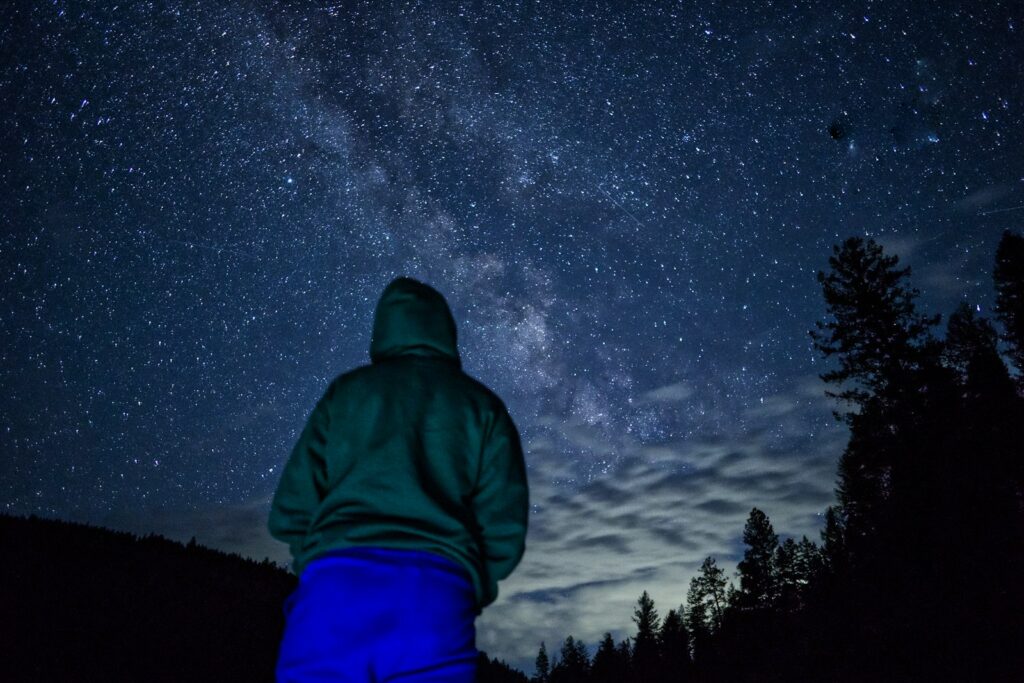
Whether you’re a seasoned skywatcher or just looking for a reason to step outside, the Super Beaver Moon is a perfect excuse to pause and enjoy the night sky. It’s a reminder that even in the chill of November, nature still puts on a show.