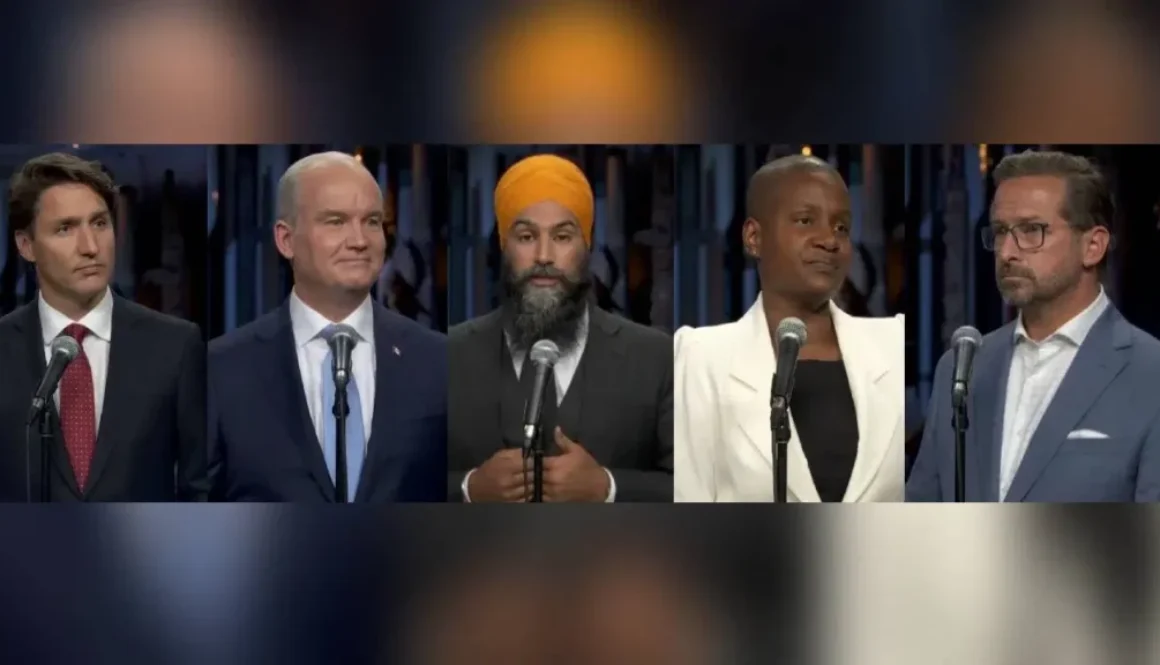
The stakes were high as the five major party leaders fought to earn your vote.
Climate change, reconciliation, and Afghanistan were key themes during Thursday night’s leaders debate.
Conservative Leader Erin O’Toole slammed Justin Trudeau for calling an election as the deadline to withdraw troops loomed.
Meantime, Trudeau took a shot at the Conservatives over their position on climate change.
“You can’t have a strong economy unless you tackle climate change,” Trudeau said. “Mr. O’Toole can’t even convince his party that climate change is real because they voted against that.”
Trudeau was pointing to the Conservative party’s convention earlier this year when members voted down inserting wording in their policies that climate change is real.
Conservative Leader Erin O’Toole admitted his party came up short on its climate plan heading into the last election.
“We put our plan out in April because we had to restore some trust on this issue to make sure we can show Canadians we can get emissions down and get the economy working again,” said O’Toole. “That is key.”
Meantime, NDP Leader Jagmeet Singh says Indigenous people have been let down too often.
“How do you restore trust in a country as wealthy as ours that still does not provide clean drinking water to every single Indigenous nation?,” Singh asked. “It starts by actually walking the path of reconciliation. Not with empty words, but real action.”
Green Party Leader Annamie Paul says she wants Indigenous people to be able to make decisions for themselves.
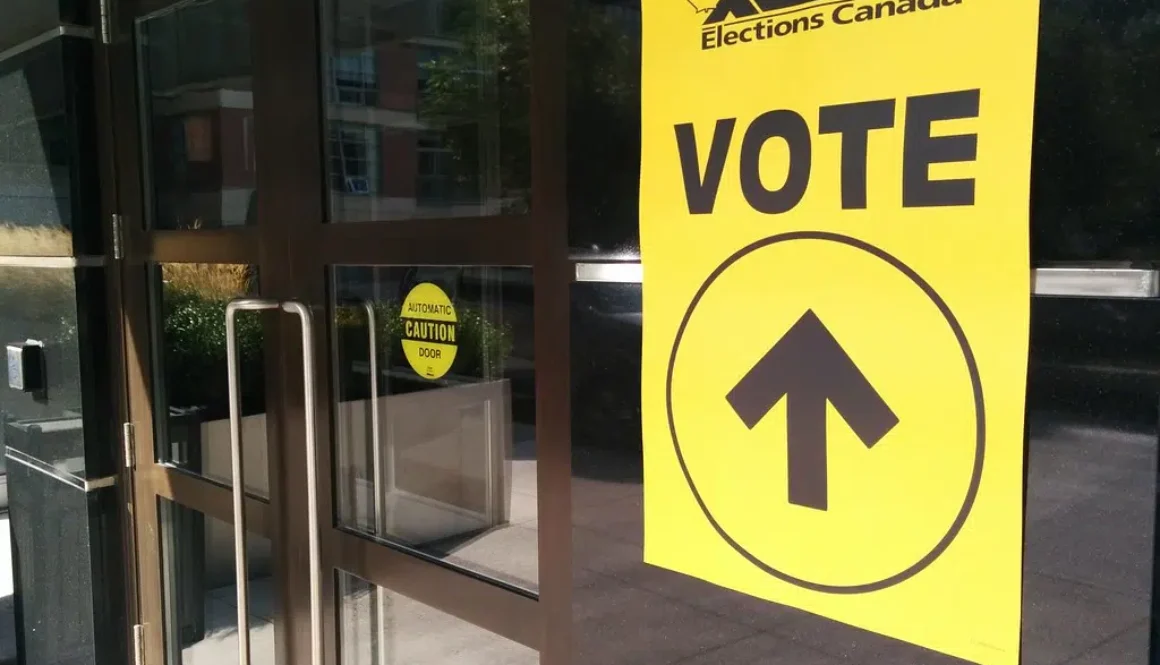
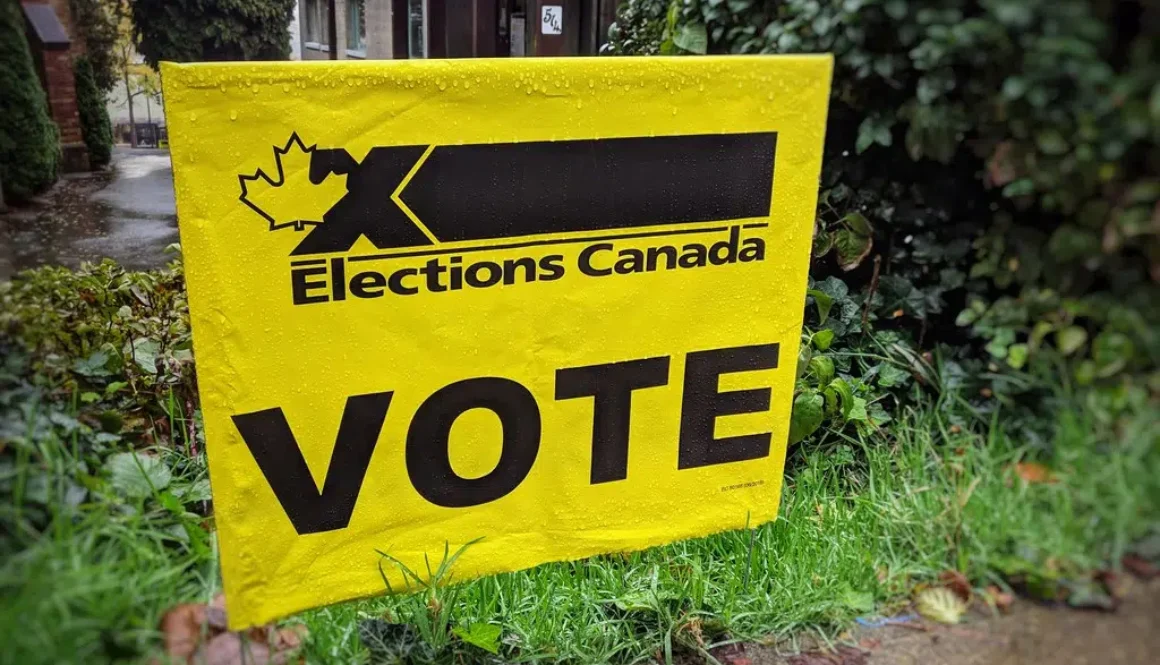
Elections Canada has said it will not be offering its Vote on Campus program previously offered in both the 2015 and 2019 federal elections.
The program aimed to provide easier voting access for students and allowed those eligible voters to cast a ballot by providing polling locations on campuses across the country.
According to Elections Canada Regional Media Advisor, Francoise Enguehard, a decision was made when the writ was dropped in August by Elections Canada not to pursue the program due to logistical reasons, saying it was too late of notice.
“With the pandemic we have had challenges in recruiting and with an increase in demand for mail-in voting which led to us having to prioritize our resources to help the most vulnerable of the electorate,” she said.
Enguehard adds Elections Canada had to devote time and people to ensuring voting options are available to people in long-term care homes and hospitals and that those residents are educated on those options.
With the Vote on Campus program not an option this time, Enguehard says Elections Canada does intend to revitalize the program for the next election, assuming there is not a major pandemic still looming over the nation.
With Vote on Campus not going ahead this election, there are still options for students to vote.
The first, by advance voting which can be done by visiting an Elections Canada office where students can ask to vote in whatever they consider their home riding, an option available until September 14.
The second option is to contact Elections Canada either in person or over the phone and request a mail-in ballot.
In 2019, 110,000 students utilized the Vote on Campus program across over 100 campuses nationwide.
Canada’s five party leaders will debate affordability, reconciliation, climate, leadership and accountability during the English language television debate on Thursday night.
University of New Brunswick political science professor J.P. Lewis said seeing political violence in the United States, it’s not surprising to see it creep into the Canadian political landscape.
With violence impacting campaign stops by the Liberal party recently, Lewis said there is nothing new in seeing anger for the incumbent government.
“What changes the dynamics of this sort of thing is obviously social media in terms of individuals’ ability to share messages and organize with like-minded individuals,” Lewis said.
A lot may be riding on the debate for some party leaders.
Lewis said for many Canadians the debate will be an introduction to Conservative leader Erin O’Toole even though he’s been an MP since 2012 and served as a cabinet minister under former Prime Minister Stephen Harper.
“If you are not following things daily, this may be a new politician to you. Because the Tories have been up in the polls for a couple of weeks now, I’d say the spotlight may be on him and we’ll see how the other leaders react,” Lewis said.
Lewis thinks this will be a very close election.
Joining O’Toole will be Liberal leader Justin Trudeau, The Green party’s Annamie Paul, NDP leader Jagmeet Singh and Bloc Quebecois leader Yves-Francois Blanchet.
Workers were the main focus for Canada’s federal party leaders during their campaign stops on Labour Day.
Conservative leader Erin O’Toole pledged to double the Canada Workers Benefit to $2,800 for individuals and $5,000 for families.
It represents a $1 per hour raise for someone earning between $12,000 and $28,000 a year, according to the party.
The Conservatives also promised to double the disability supplement from $713 to $1,500.
Liberal leader Justin Trudeau said he would table legislation to ensure every business that requires proof of vaccination can do so without fear of a legal challenge.
During a campaign stop in Ontario, Trudeau also highlighted his election platform, such as extending the Canada Recovery Hiring Program through March and expanding the Canada Workers Benefit to support one million additional Canadians.
NDP leader Jagmeet Singh, also campaigning in Ontario, outlined his party’s plan to support workers, which includes $10 a day universal childcare, a $20 federal minimum wage, and 10 days of paid sick leave for workers in federally regulated workplaces.
Singh said his party would also fix the Canada Recovery Sickness Benefit so more Canadians have access to paid leave when and how they need it.
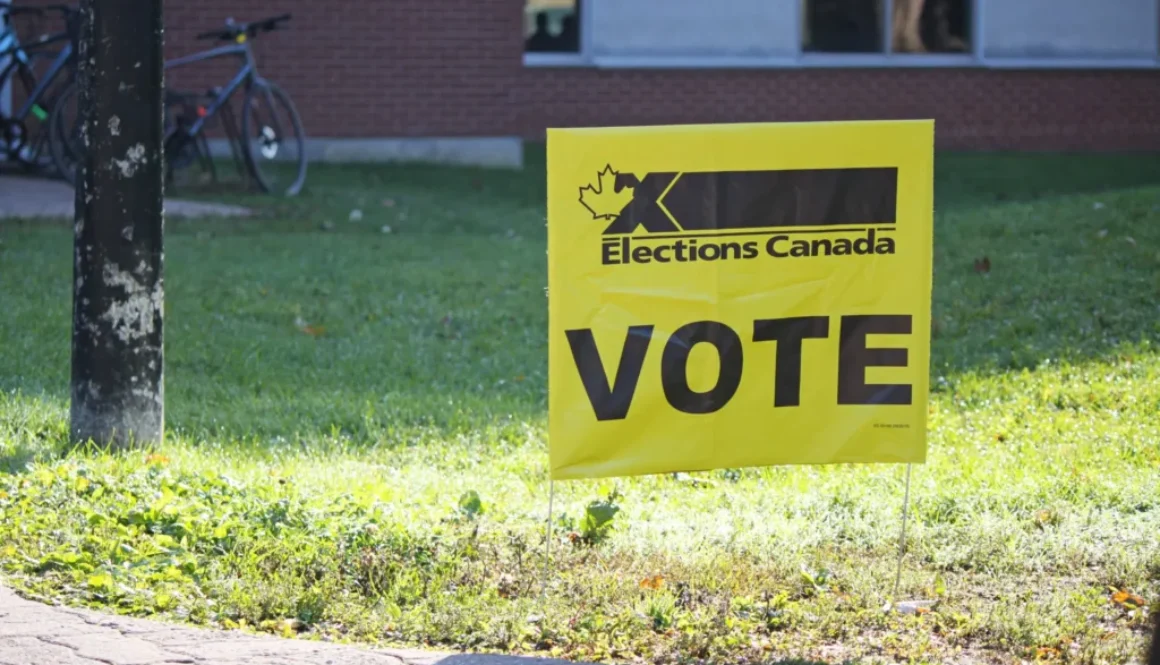
Voters across the country will head to the polls on Sept. 20.
The Federation of Canadian Municipalities (FCM) has laid out its priorities for the upcoming federal election.
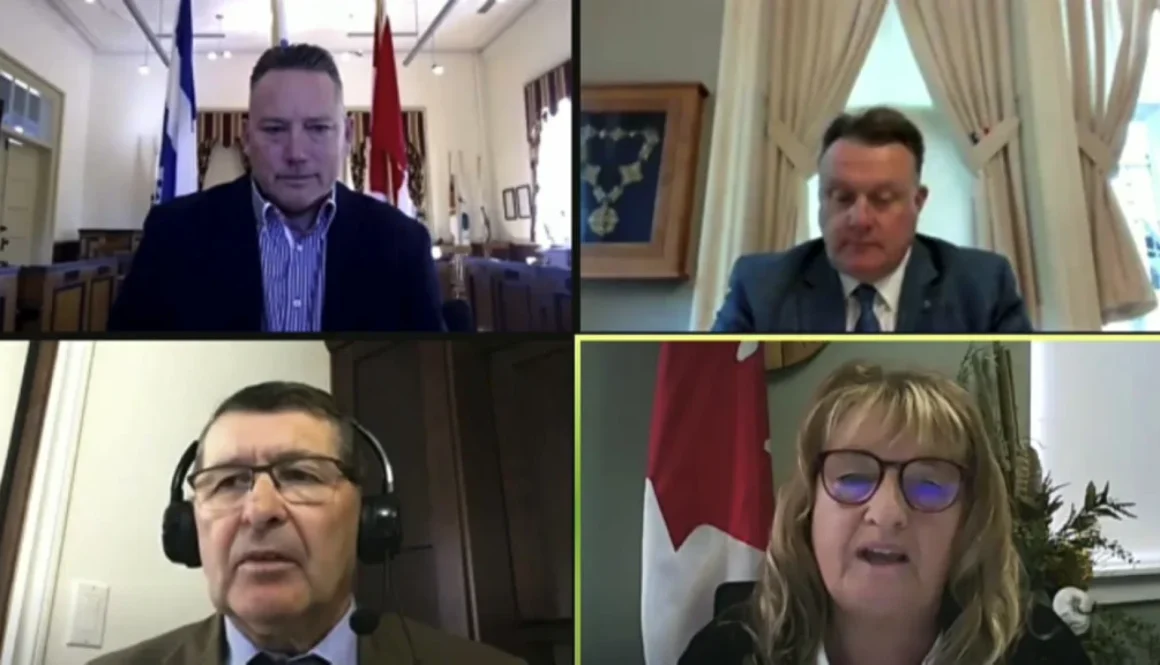
Members of the national organization representing more than 2,000 municipalities held a virtual news conference on Thursday.
President Joanne Vanderheyden said they want parties to work directly with communities to address major national challenges.
“After everything we’ve been through, Canadians deserve a recovery they can see and feel in their daily lives. As the government closest to Canadians, that is what local leaders do best,” said Vanderheyden.
FCM laid out its recommendations under four categories: building for the future; affordable places to live; digital inclusion for all Canadians; and governments working together.
Ray Orb, chair of the rural forum, said one of their priorities is to bring high-speed Internet to all Canadians.
“While millions of people in this country have gone online for work, school, and basic human interaction, too many rural Canadians still don’t have that option,” said Orb.
The federation also wants the next government to permanently double the Canada-Community Building Fund, formerly the Gas Tax Fund, which Orb said directly empowers local leaders to create jobs and build better lives.
Mike Savage, the mayor of Halifax and chair of the big city mayors’ caucus, said they have also put forward several solutions to address the housing crisis.
“We’re proposing constructive ways to end chronic homelessness and boost affordability across the housing spectrum, from scaling up the Rapid Housing Initiative to expanding affordable rental options in ways that work locally,” he said.
The full plan, called Frontline Solutions for Canada’s Recovery, can be viewed on FCM’s website.
If you have plans to vote by mail this election, you’d better do it soon.
You have to apply by September 14, and the ballot has to reach Elections Canada by voting day to be counted.
Spokesperson Rejean Grenier says once you apply, you can’t change your mind.
“Once we send you the kit, we strike you off the voter’s list because you’re supposed to be voting by mail,” says Grenier.
Grenier says the kits come with a blank ballot for you to write in the candidate of your choice, so spelling is important.
“That ballot is very important to know that it does not have names of candidates on it. You have to know the name of the candidate you want to vote for, and presumably how to spell his or her name in that voting kit.”
Don’t write the leader’s name or just the party name as it will be considered a spoiled ballot.
Housing, infrastructure and platforms on Day 18 of the federal election campaign.
Speaking in Montreal on Wednesday, NDP Leader Jagmeet Singh said his party is dedicated to fighting the housing crisis which forces young people to leave home.
“Leaving the place where they have family, friends and connections to go somewhere else because they can’t afford to stay. That has to stop,” Singh said.
The leader of Conservative party, Erin O’Tooole, said his party will scrap the Canada Infrastructure Bank and unlock money to get infrastructure projects built.
“We’ll review the ‘Investing in Canada’ plan and other infrastructure programs to make sure they work for local priorities, for our municipalities and First Nations communities,” O’Toole said.
Justin Trudeau laid out the 82-page Liberal party platform in Toronto.
“We’ll make sure you can find a family doctor or a family health team and while we’re at it we’ll make a historic dedicated investment in mental health care because mental health is health and
it’s time it was treated that way,” Trudeau said.
The platform also focuses on helping businesses getting back on their feet after lockdowns.
Animal rights, water, and taxing the ultra-rich take center stage as we near the halfway point of the campaign.
NDP Leader Jagmeet Singh was in Ottawa, vowing that if elected all Canadians would pay their fair share.
Singh says this will be ensured by closing tax loopholes that benefit the ultra-rich, something he says the Liberals have not done during their six years in power.
“Despite the Panama Papers, and a number of other documents that have shown the super-wealthy not paying their fair share, hiding their wealth, there has not been a single conviction in six years for tax evasion.”
Part of the NDP plan will include ensuring the CRA has the funding and staff to be able to crack-down on tax evasion.
NDP Leader Jagmeet Singh
“If you believe the super wealthy should pay their fair share, if you believe we need to increase enforcement for the super wealthy and make sure wealthy corporations are actually contributing fairly, and if you believe in that, you need to vote,” says Singh. “The only way we can make this happen, is by voting, and voting New Democrat. The Liberals haven’t done this, they might promise a number of things in this campaign but they won’t deliver because we’ve seen their track record. They don’t want to make this a priority, they have not made the wealthy pay their fair share.”
Conservative Leader Erin O’ Toole was in King City, Ontario and discussed the party’s position on animal welfare.
Reports have shown over the pandemic, there has been an increase in animal abuse and violence.
Conservative Leader Erin O’ Toole
“A Conservative government will ban puppy mills; inhumane high volume dog breeding facilities that churn out puppies for profit, ignoring the needs of the pups and their mothers,” says O’ Toole. “We will crack down on unethical breeders and dealers who mislead the public by claiming to offer rescue animals or pets bred humanely, while that is not the case. Canada’s Conservatives will ban imports of animals bred inhumanely, and strengthen enforcement powers to seize animals when imported under poor welfare conditions.”
O’ Toole also promised if elected he would put into place a national ban on cosmetic testing on animals, something he stated was long overdue.
Along with this, it was said that animal cruelty would be considered an aggravating factor in domestic violence prosecutions. O’ Toole said part of this is due to the strong link between these types of violence.
Liberal Leader Justin Trudeau was in Granby, Quebec discussing more green initiatives that would be put in place if his party is re-elected.
Specifically, it was promised $1 billion would be invested over the next decade to restore lake and river systems across Canada.
Liberal Leader Justin Trudeau
Trudeau stated this is nothing new for their party, stressing they have had a strong focus on environmental protection since coming into power in 2015.
“Stephen Harper had protected less than 1 per cent of our marine and coastal areas and in the six years since, we have boosted that to 14 per cent, and on our way to 30 per cent,” says Trudeau. “We’ve worked with provinces, territories, and Indigenous partners to safeguard fresh water, and we’re banning harmful single-use plastics, and ending plastic waste by 2030. We’ve done a lot. Now, we’re choosing to do even more.”
Bloc Québécois Leader Yves-François Blanchet is in Montreal, holding two separate press conferences Monday. The first looks at immigration, and the second gun control.
Green Party Leader Annamie Paul is off the campaign trail Monday, attending private meetings.
We use cookies and similar technologies to ensure that our website functions properly and to make your use of our website more convenient. We also use third party cookies and similar technologies that are managed by our business partners or service providers, to develop and improve our website, and to help you see ads on our website and other websites that are matched to your interests. You should be able to disable most cookies associated with our website via your browser settings but this may affect the functionality of the website. You can also opt out of third-party cookies used for targeted advertising by adjusting your cookie settings. To learn more about how we use cookies and how to manage them please see our Privacy Policy or contact us at privacy@ocil.ca.
FunctionalAlways active
The technical storage or access is strictly necessary for the legitimate purpose of enabling the use of a specific service explicitly requested by the subscriber or user, or for the sole purpose of carrying out the transmission of a communication over an electronic communications network.
Preferences
The technical storage or access is necessary for the legitimate purpose of storing preferences that are not requested by the subscriber or user.
Statistics
The technical storage or access that is used exclusively for statistical purposes.The technical storage or access that is used exclusively for anonymous statistical purposes. Without a subpoena, voluntary compliance on the part of your Internet Service Provider, or additional records from a third party, information stored or retrieved for this purpose alone cannot usually be used to identify you.
Marketing
The technical storage or access is required to create user profiles to send advertising, or to track the user on a website or across several websites for similar marketing purposes.