


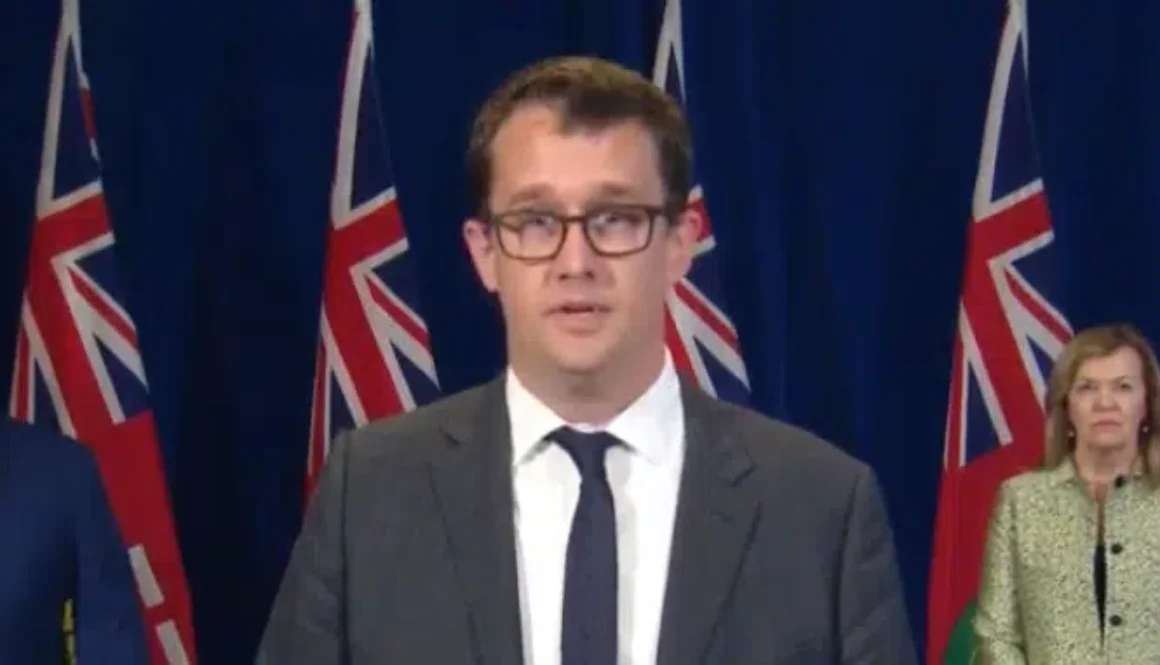
Ontario Releases Guidelines For Businesses
The provincial government is giving more information to businesses on what they should be doing to ensure they will be ready to open once it’s deemed safe to do so.
These new sector-specific guidelines feature recommended actions employers can begin to plan for as they prepare to adapt to the new reality during COVID-19, including:
- Ways to ensure appropriate physical distancing, like eliminating pay-at-the-door options, holding team meetings outdoors, staggering shift times and using ground markings and barriers to manage traffic flow.
- Changes to the workplace, like installing plexiglass barriers, increasing the air intake on building heating, ventilation, and air conditioning (HVAC) systems to increase airflow, and using boot sanitizing trays.
- Promoting proper workplace sanitation, providing personal protective equipment, substituting dry dusting with vacuuming, ensuring customer-facing staff are given hand sanitizer, providing a place to dispose of sanitizing wipes, and enforcing handwashing before and after breaks.
Starting this week, 58 new inspectors will join the hundreds of existing provincial labour inspectors on the ground.

Ontario Emergency Order Extended
The provincial government is extending its emergency order until May 6th. It means outdoor parks and recreational areas, non-essential workplaces, public places like bars and restaurants will still be closed to the public. The order also puts restrictions on social gatherings and limits staff from working in more than one retirement home or long-term care home.
In addition, the government has introduced a new measure to allow mental health and addictions agencies to redeploy staff within different locations or between programs, and employ extra part-time staff, temporary staff or contractors in order to ensure people continue receiving the high quality care they expect and deserve during the COVID-19 outbreak. Agencies would be required to provide appropriate training and education to achieve the purposes of a redeployment plan.
“We are making steady progress in our battle against this deadly virus, but we are not out of the woods by a long shot. It is absolutely necessary to extend these emergency orders to continue keeping all Ontarians safe and healthy,” said Premier Doug Ford. “Every effort made by each of us to stay home, practise physical distancing and wash your hands has been, and will continue to be, the key to stopping the spread of this virus.”
Since the pandemic hit Ontario over a month ago, the provincial government has extended their emergency order several times and could do so again in the future.
The following emergency orders have been extended until May 6, 2020:
- Closure of establishments
- Prohibiting public events and gatherings or more than five people
- Work deployment measures for health care workers
- Drinking water and sewage
- Electronic service of documents
- Work deployment for lon g-term care homes
- Off-peak electricity pricing
- Closure of places of non-essential businesses
- Traffic management
- Streamlining requirements for long-term care homes
- Prohibiting unfair pricing on necessary goods
- Closure of outdoor recreational amenities
- Enforcement of orders
- Work deployment for boards of health
- Work deployment measures in retirement homes
- Access to COVID-19 status information by specified persons
- Service agencies providing services and supports to adults with developmental disabilities
- Pick up and delivery of cannabis
- Signatures in wills and powers of attorney
- Use of force and firearms in policing services
- Child care fees
- Agreements between health service providers and retirement homes
- Temporary he alth or residential facilities
- Closure of public lands for recreational camping
- Work deployment measures for service agencies providing violence against women residential services and crisis line services
- Limiting work to a single long-term care home
- Work deployment for district social services administration boards
- Deployment of employees of se rvice provider organizations
- Work deployment measures for municipalities
- Limiting work to a single retirement home
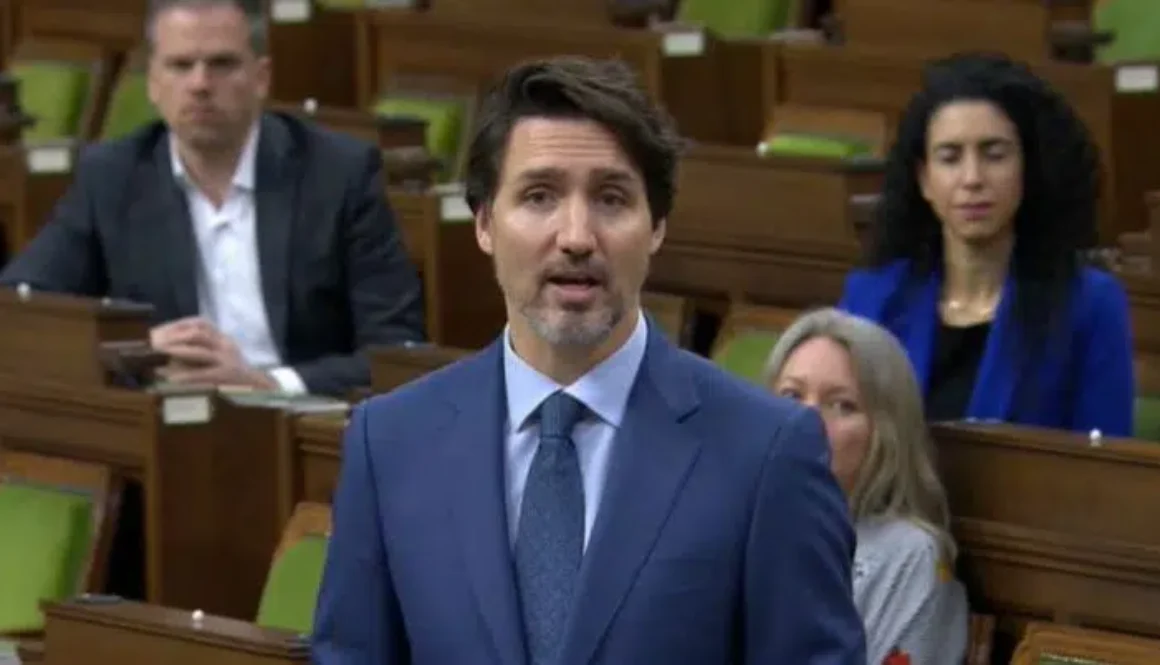
Canada Working With Provinces On Economic Plans
Although there’s no exact date for when things can return to normal, the Prime Minister is meeting this week with provincial leaders on how they can bring the economy back online.
Prime Minister Justin Trudeau says there is no one size fits all solution for our country and the economy.
“We know regardless of where you are in the country we need to get through this first wave before we can start releasing some of the rules around physical distancing and staying at home. How that release works will vary from region to region, from industry to industry,” Trudeau said.
The Prime Minister also announced a wage boost for essential workers who are making under $2,500 a month. Trudeau also relaxed some of the eligibility rules around the Canada Emergency Response Benefit. The CERB will now be available for those who saw their hours reduced, or anyone who makes a thousand dollars a month or less.
To help more Canadians benefit from the CERB, the government will be changing the eligibility rules to:
- Allow people to earn up to $1,000 per month while collecting the CERB.
- Extend the CERB to seasonal workers who have exhausted their EI regular benefits and are unable to undertake their usual seasonal work as a result of the COVID-19 outbreak.
- Extend the CERB to workers who recently exhausted their EI regular benefits and are unable to find a job or return to work because of COVID-19.