



vote
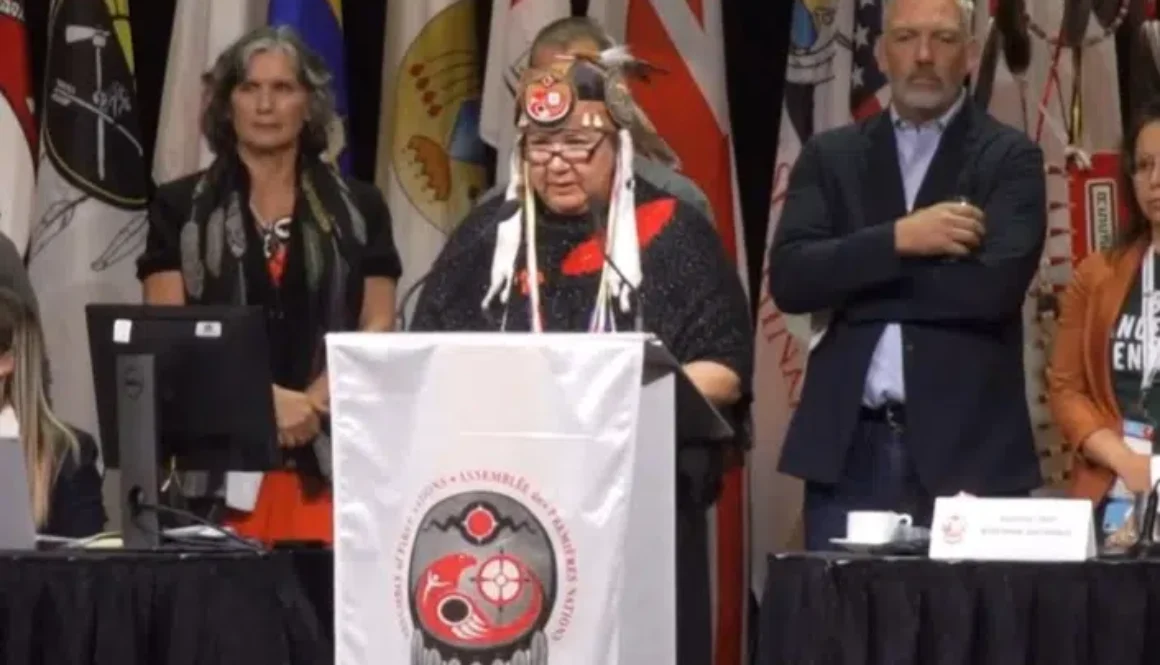
Suspension of National Chief Rejected at AFN Assembly
A vote to suspend Assembly of First Nations National Chief Roseanne Archibald has been rejected by Chiefs at their general assembly in Vancouver.
The emergency resolution was brought forward after the AFN’s Executive Committee, last month, suspended Archibald over complaints.
Archibald told Chiefs the real reason was her failure to authorize a million dollars in staff payouts.
“I refused. I knew it was wrong. Funding that I am entrusted with is meant to help you,” Archibald said before the vote.
Archibald also said her suspension by the Executive Committee, which is made up of regional chiefs, was illegal because it didn’t have the power to do so.
Tk’emlups te Secwepemc Chief Rosanne Casimir had moved the motion at the assembly.
“It’s just about a confidential investigation, and that’s something that we all want. We want that not only at the AFN level but within our own communities. And when we’re looking at policies, it’s about building stronger communities. To me, this is embarrassing,” says Casimir.
Chiefs are still to vote on a non-confidence motion this morning.
They will also consider another that calls for a forensic audit of the organization.
Students Learning About Provincial Election
They can’t vote on June 2, but some schoolchildren across northwestern Ontario will be casting ballots for who they think should be the next premier.
It is part of the Student Vote Ontario program.
It was established in 2003 as a civic education program to teach kids about democracy and voting.
Ruth Matthew of Civix Canada says over two thousand schools and 480,000 students are taking part in the program this election.
“The teachers register their schools for Student Vote that sends out free learning resources, as well as voting materials to prepare their class. Then the students actually go through the process of researching the candidates and the issues in their local writings. That fosters dialogue and discussion amongst their peers and with their families later on. They also engage with the campaign through different things like candidate forums and leaders debates,” says Matthew.
The program includes a class or school-wide vote for the candidates running in the provincial election. The results will be released on the night of the election.
“One of the main objectives of Student Vote is to create lifelong voters so it goes to skills and habits of active citizenship. Since voting is a habit, there’s actually research that shows that if somebody casts a ballot the first time they go to vote, they will actually become a lifelong voter.”
Sixty-six schools in northwestern Ontario in all four area ridings are among those taking part in the program.
No Change In Couchiching Leadership
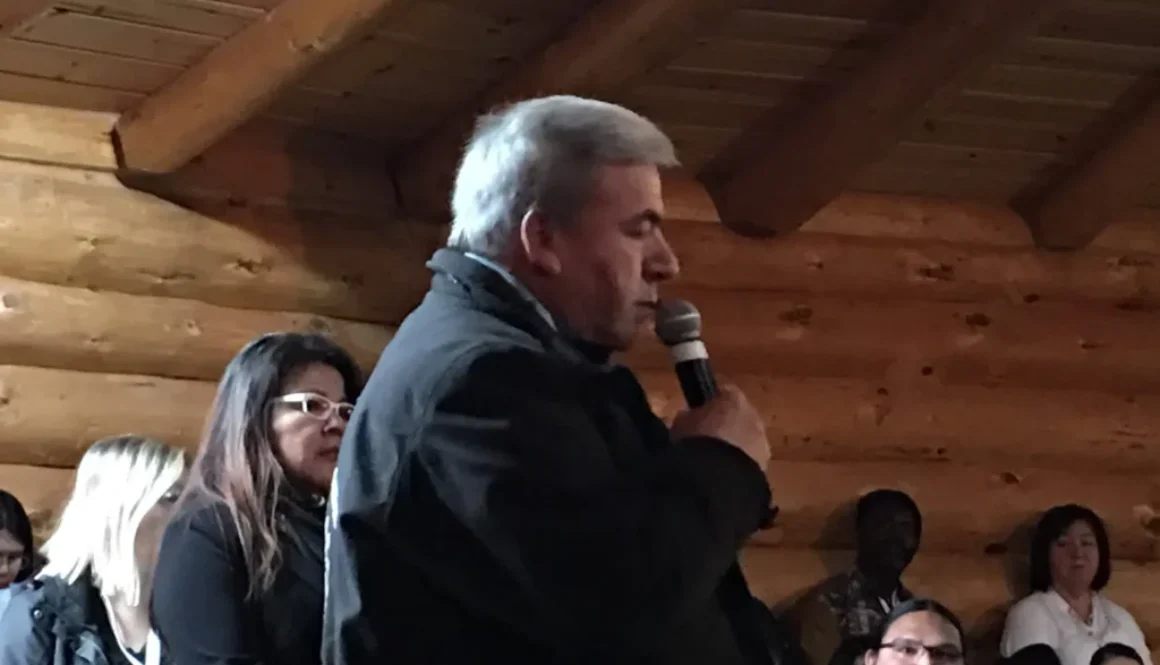
Couchiching First Nation Chief Brian Perrault has been returned to office.
He defeated five other candidates in voting for the job held Wednesday.
Sandy Bruyere, Randy Jones, Lucille Morrisseau, Joan Mainville, Ron Archie and David Bruyere emerged as the top vote-getters for the six councillor positions available.
All but Jones were incumbents.
The Couchiching First Nation is located beside the Town of Fort Frances
Returning Offices Now Open In Kenora District
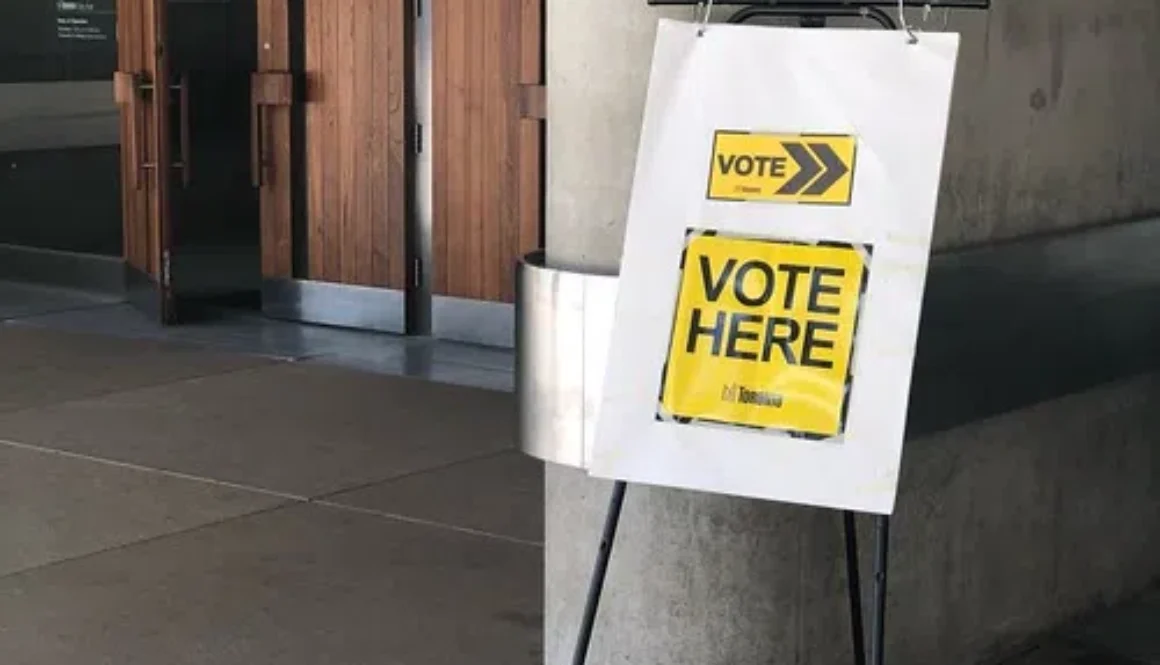
Returning offices are now up and running across northwestern Ontario in preparation for the Federal election.
Kenora is the site for the main returning office locally, but there are satellite centres in Dryden, Sioux Lookout and Red Lake.
You will find the Dryden office at 246 Grand Trunk Avenue.
The office in Sioux Lookout is at Sunset Inn Suites.
In Red Lake, you will want to visit the office at 14 Discovery Road.
You can vote using a special ballot at any time from now until October 15th.
Advance polls across the district will take place October 11th, 12th, 13th and 14th.

Political Science Professor Anticipates Aggressive Federal Campaign
One Political Science Professor is unsure exactly what to expect in the federal election campaign over the next five and a half weeks.
Don Desserud says “none of the party leaders are really attracting any kind of sustained enthusiasm or support. There’s no one like Justin Trudeau was himself in 2015 bursting on the scene and capturing everyone’s imagination.”
Desserud expects this will be a more aggressive campaign with more controversy, in an effort for the leaders to get the attention they “desperately”need.
Desserud says four to six weeks is the more common length for a federal election campaign.
In 2015, it was one of the longest ones Canadians have had since the 19th century.
“I suspect Justin Trudeau wanted to wait until the Manitoba election was over before they got right into it. But it could also be that they want fewer days to make mistakes. I suspect though that it was just a reasonable amount of time, that they could get through this campaign and they have the money they need and that they are raring to go.”
Canadians head to the polls on October 21st.

Federal Election Campaign Fast Approaching
A political science professor believes voters will become more engaged in the upcoming federal election now that summer vacations are over.
The writ is officially expected to be dropped in the coming days.
Mario Levesque says climate change will likely be one of several issues during the campaign.
“Immigration will be front and centre in this election and this is where the Conservatives can make some headway, I think, on this issue for their party.”
Levesque says international trade, the health care and the oil industry are also likely to dominate discussions.
He believes the Liberals will be struggling to keep some of the many seats they won during the last vote, especially in Atlantic Canada.
Levesque thinks the grits will be campaigning on their progress with Indigenous people and the environment.
He adds Conservative leader Andrew Scheer will be looking to hold the government to account on the SNC-Lavalin affair and the recent ethics breach.